

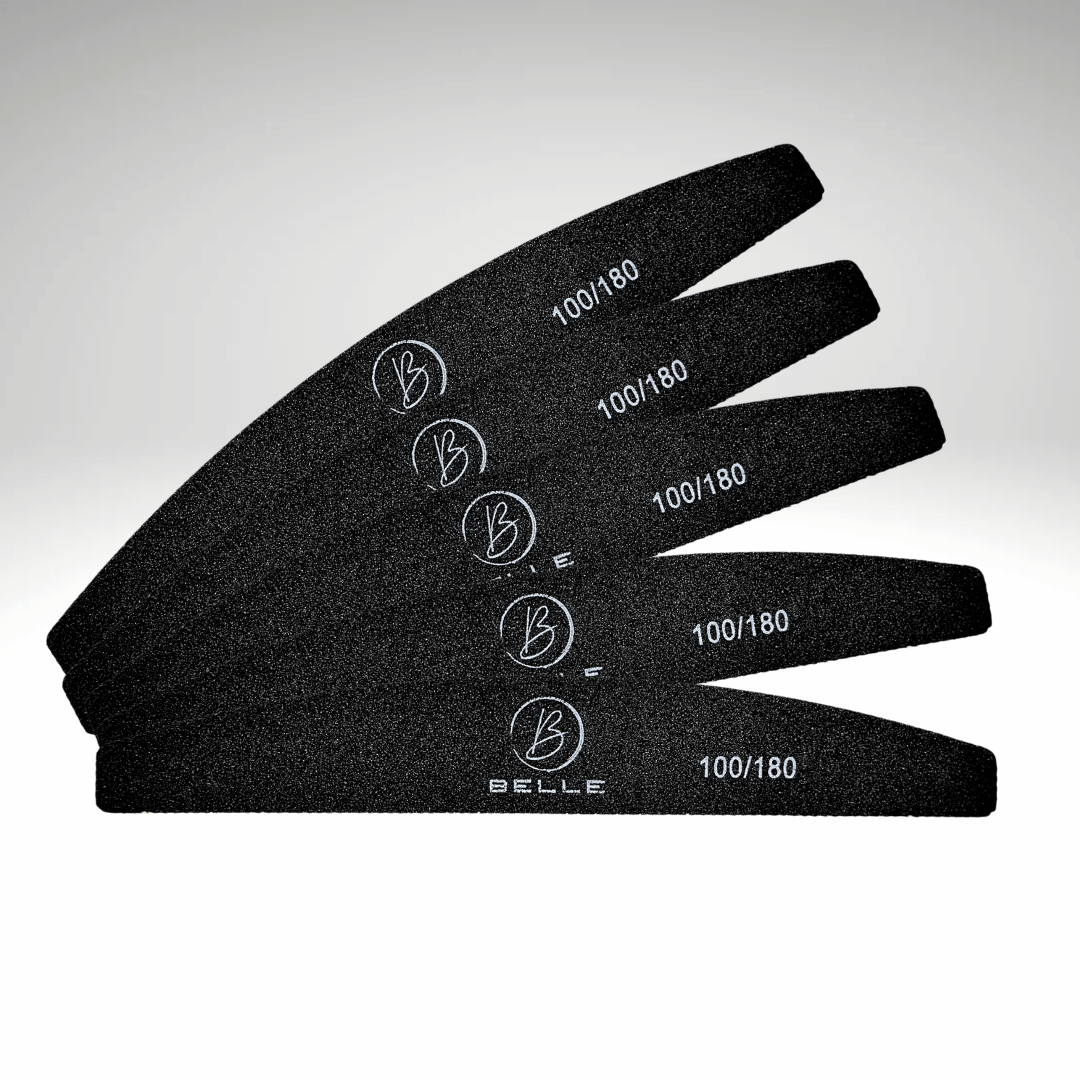
Professional Nail Files, Buffers & Electric Nail Files
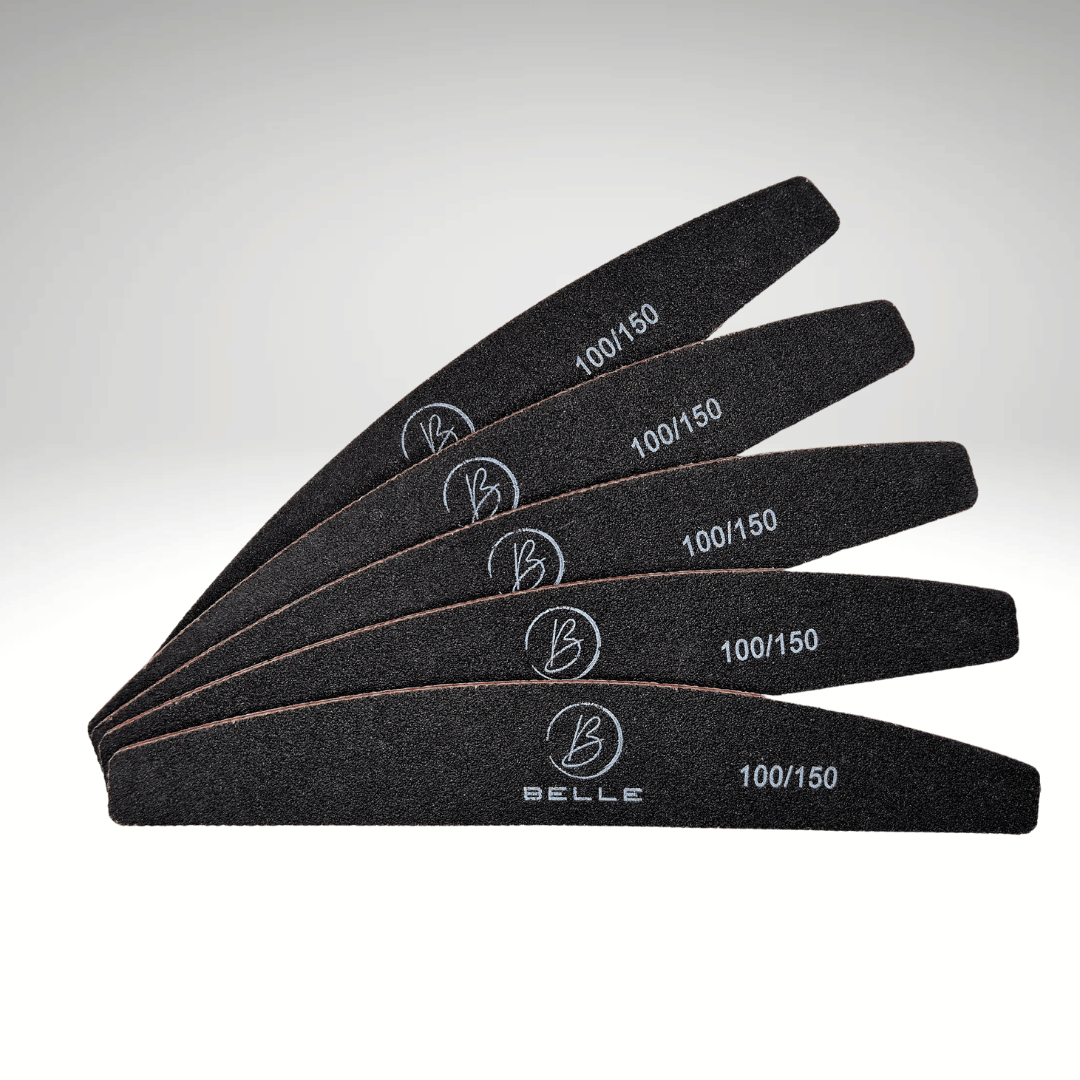
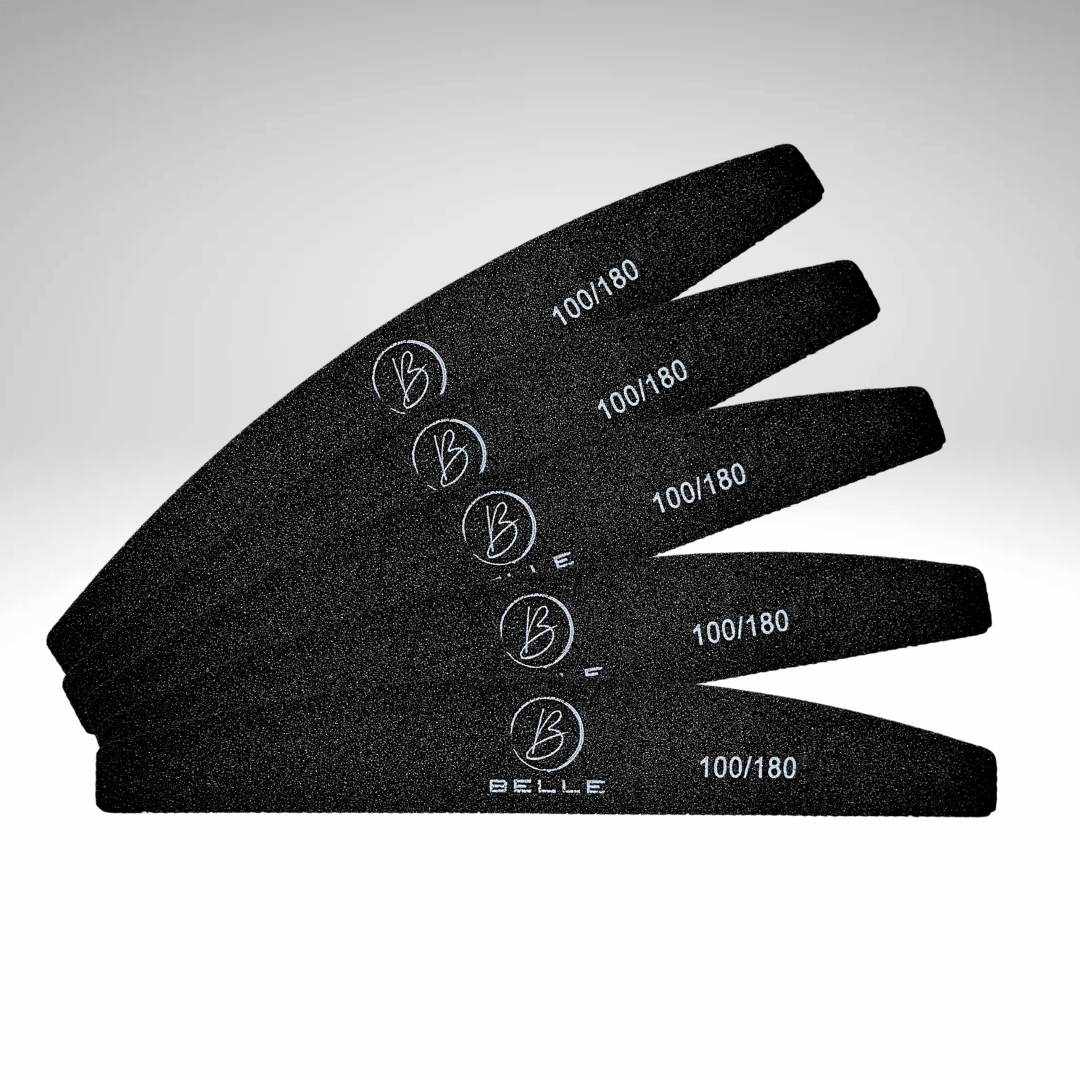
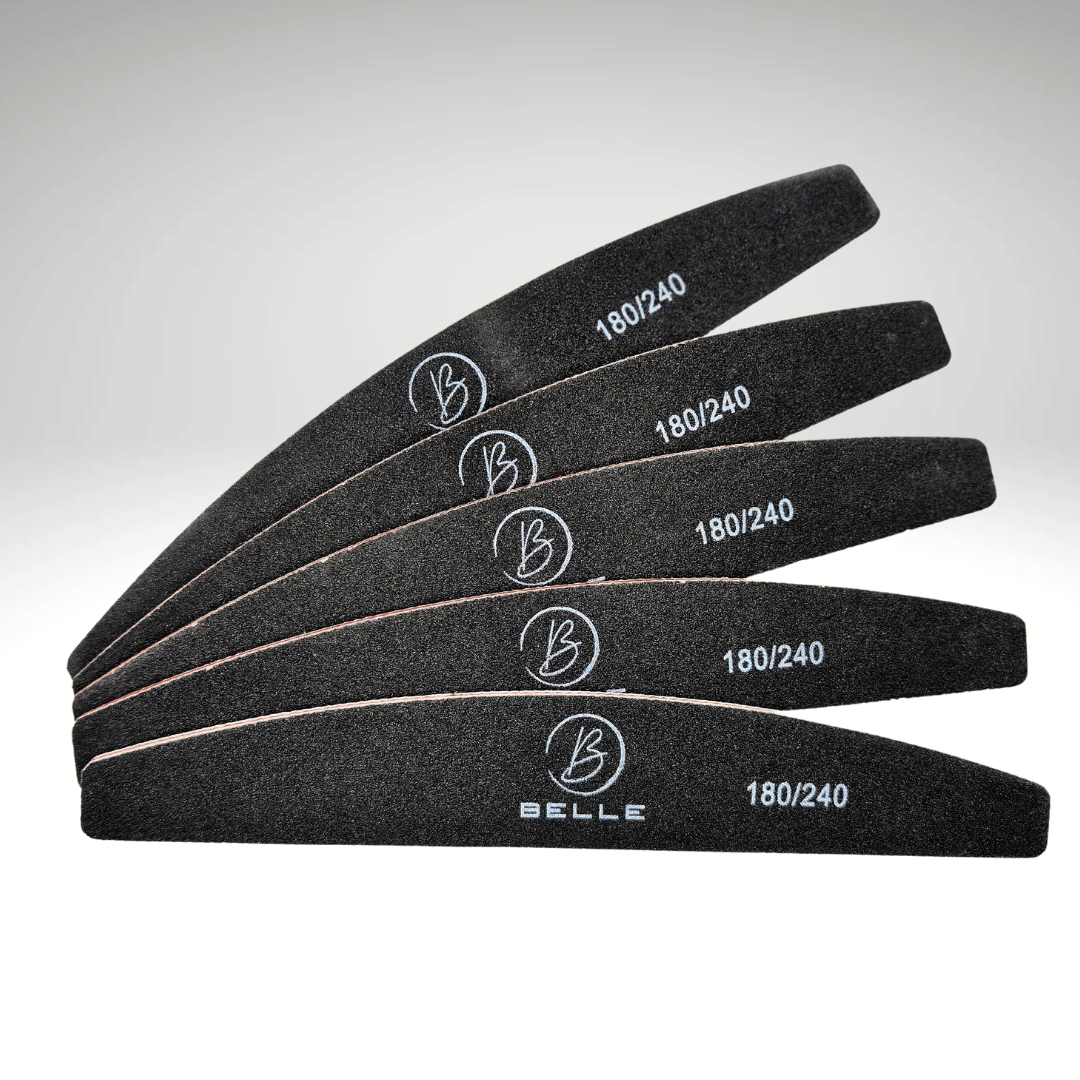
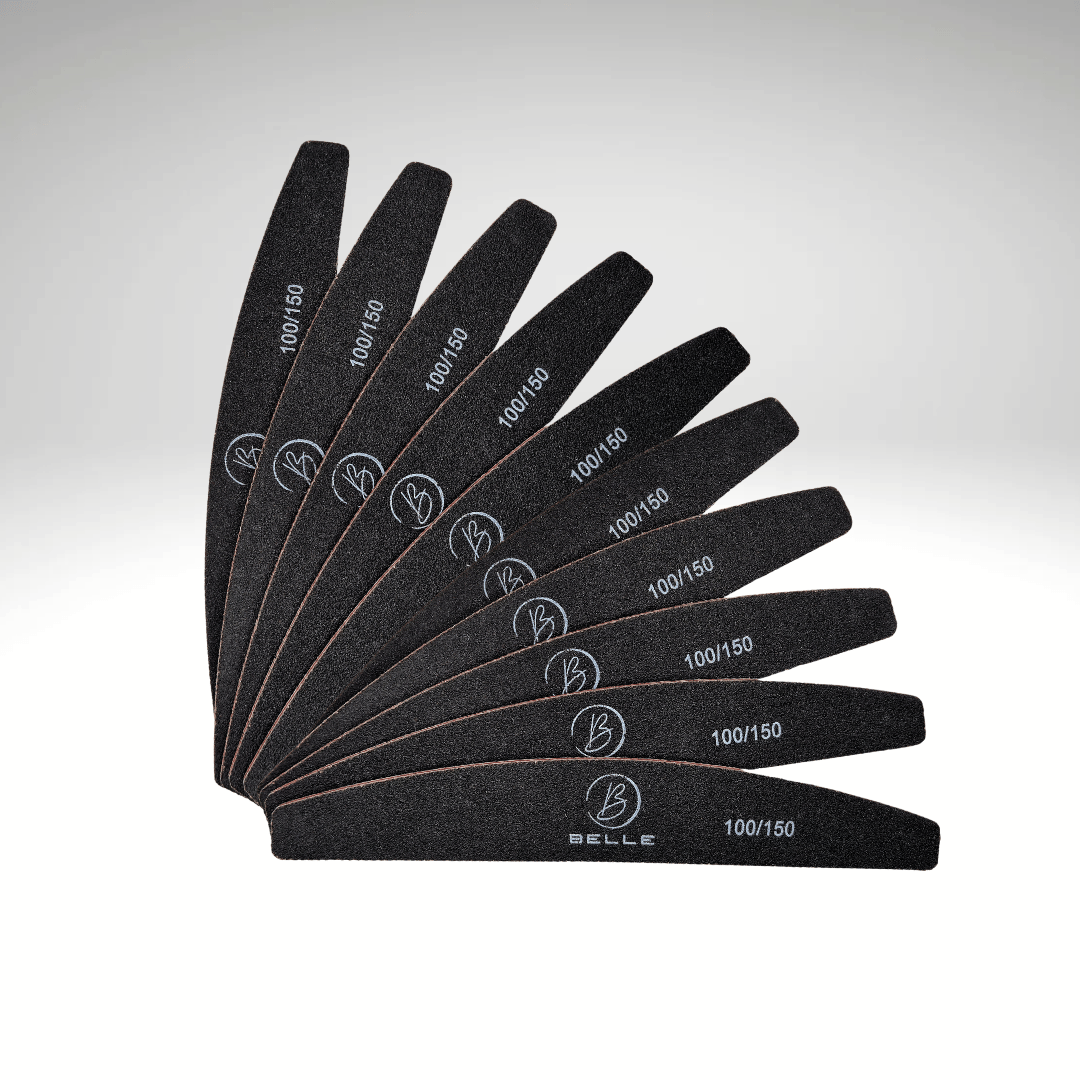
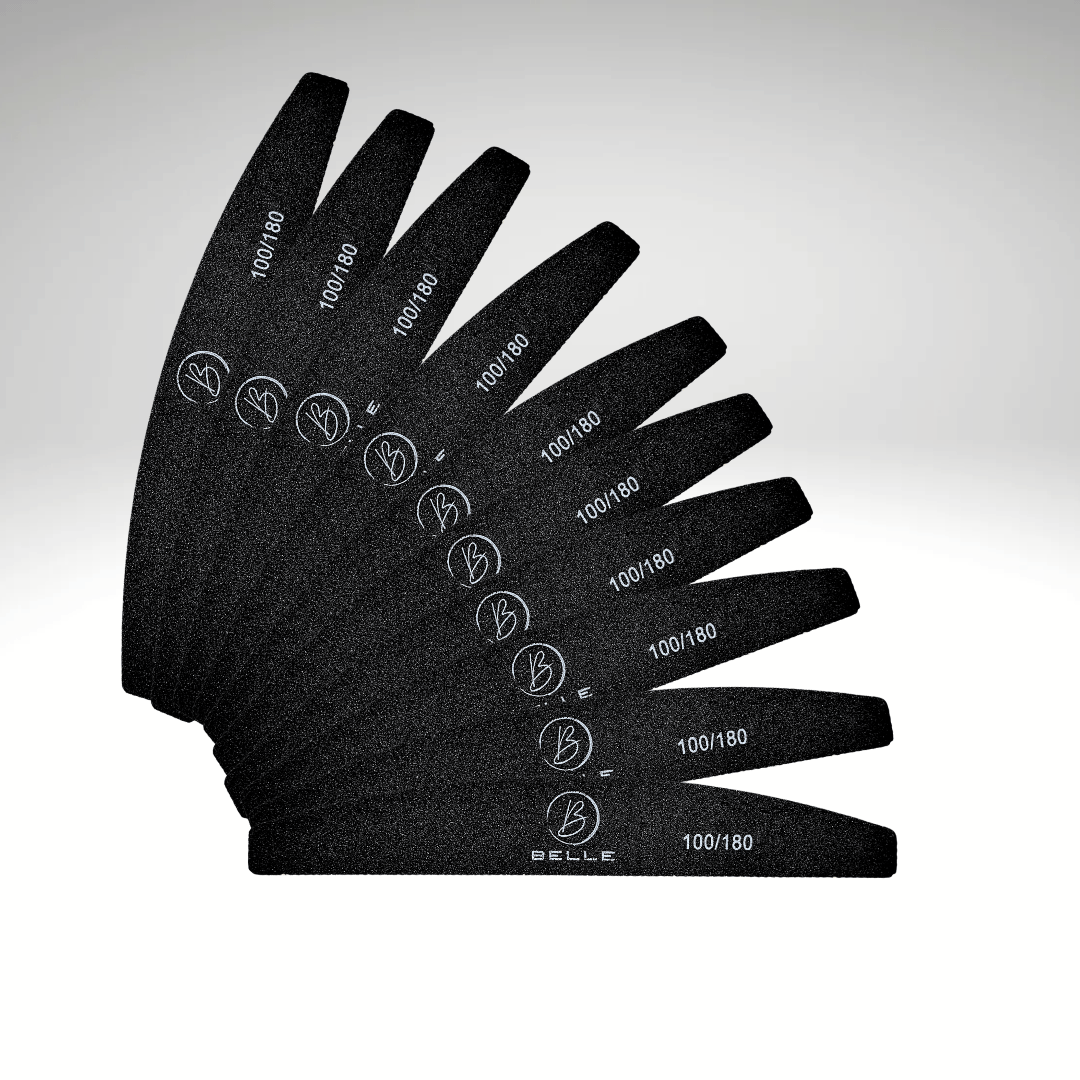
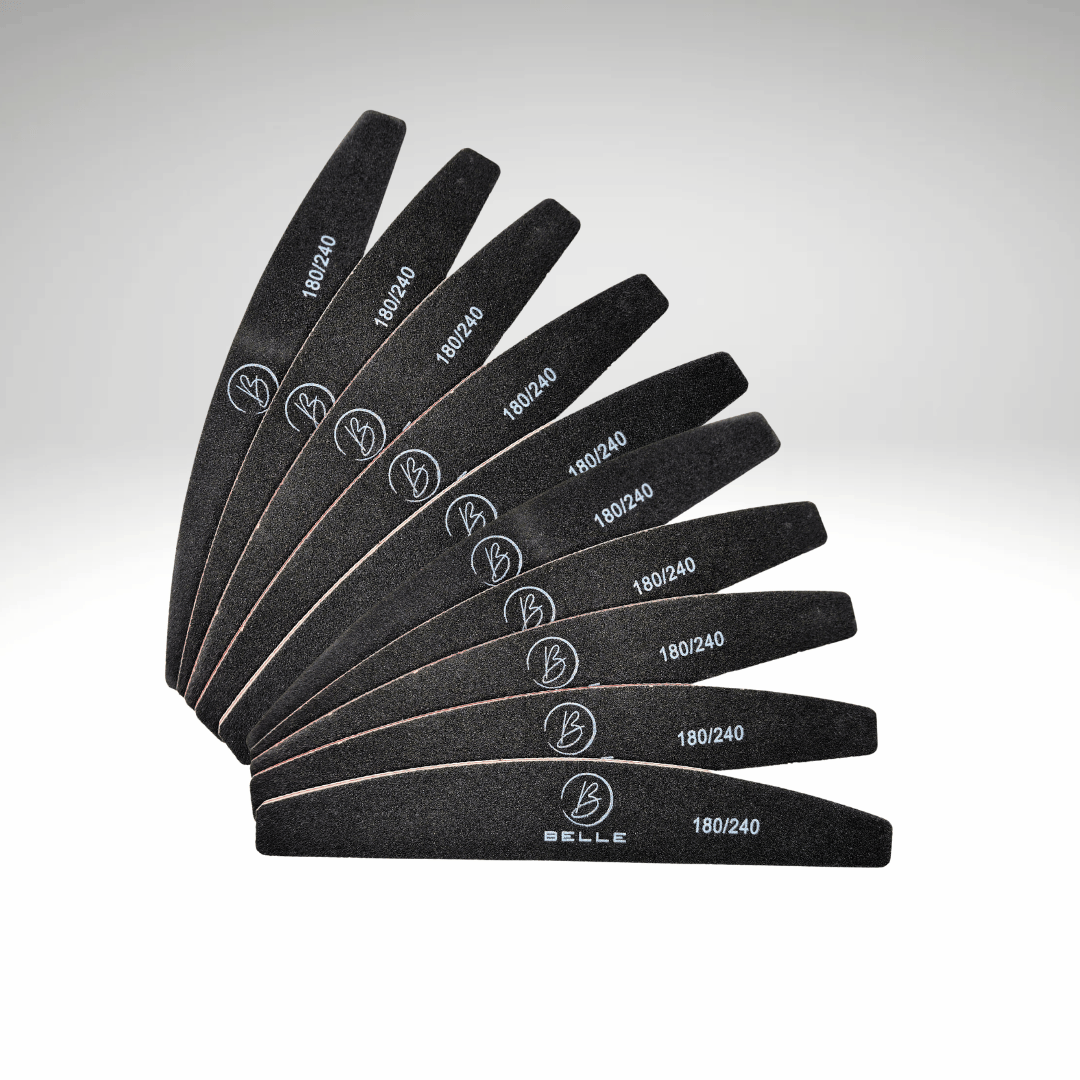
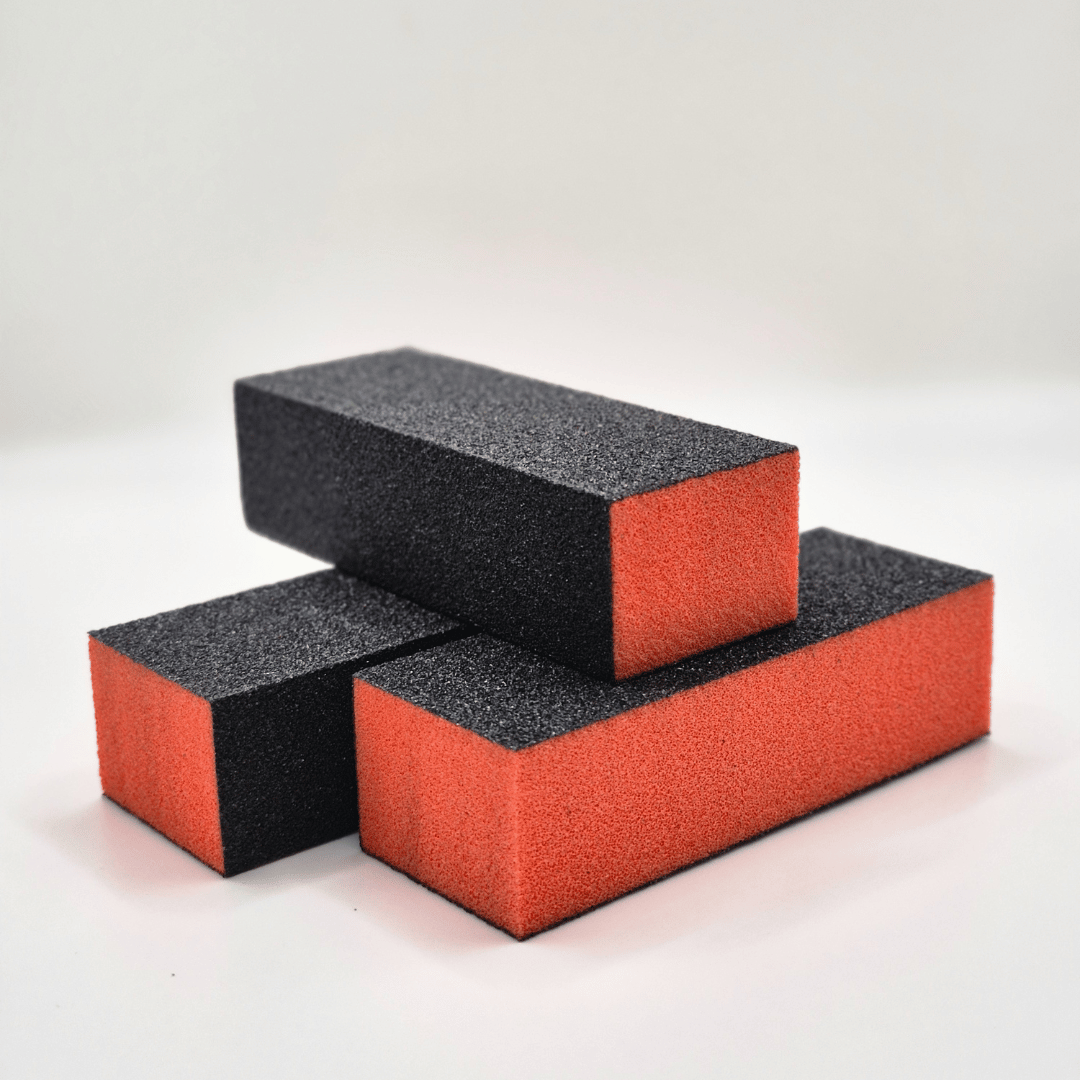
Shape, refine and prep with professional double-sided nail files, buffer blocks and an electric nail file. Whether you're shaping natural nails, prepping for gel polish or BIAB, or reducing builder gel, choosing the right file and grit is the difference between a smooth, strong finish and thin, split nails.
Which nail file do you need?
| Tool | Best for |
|---|---|
| Electric nail file (e-file) | Faster prep, shaping, reducing builder gel and BIAB, and taking off most of the product before a soak-off |
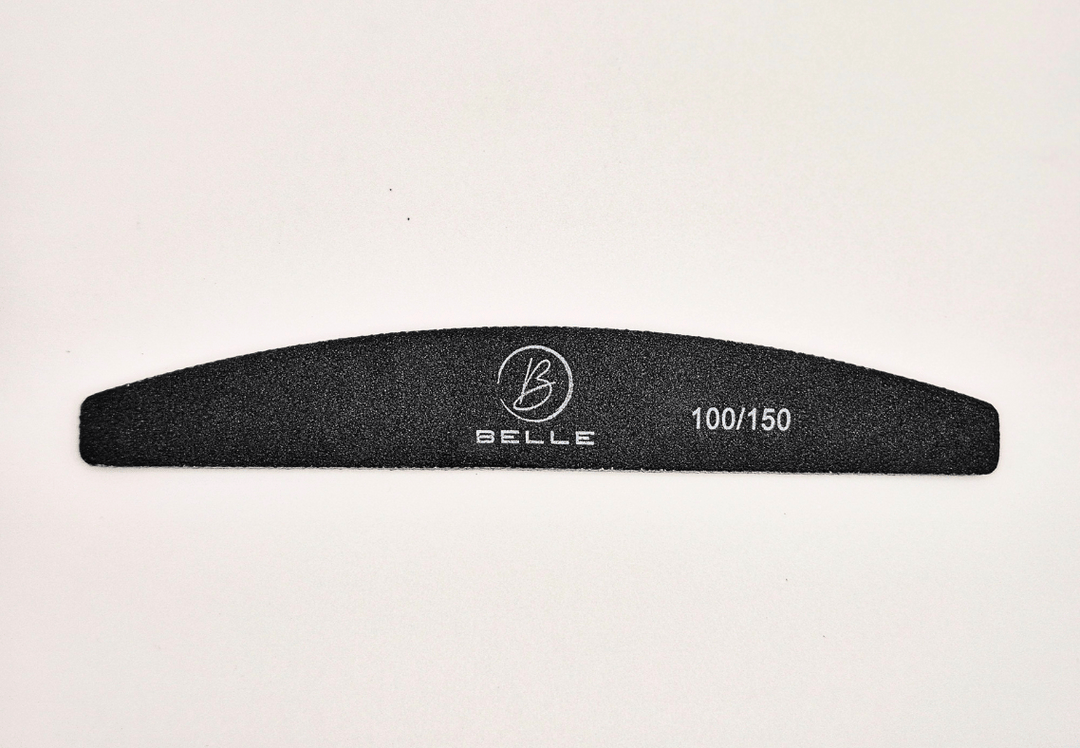
| 100/150 grit file | Reducing product and pre-shaping builder gel or BIAB. Too coarse for natural nails |
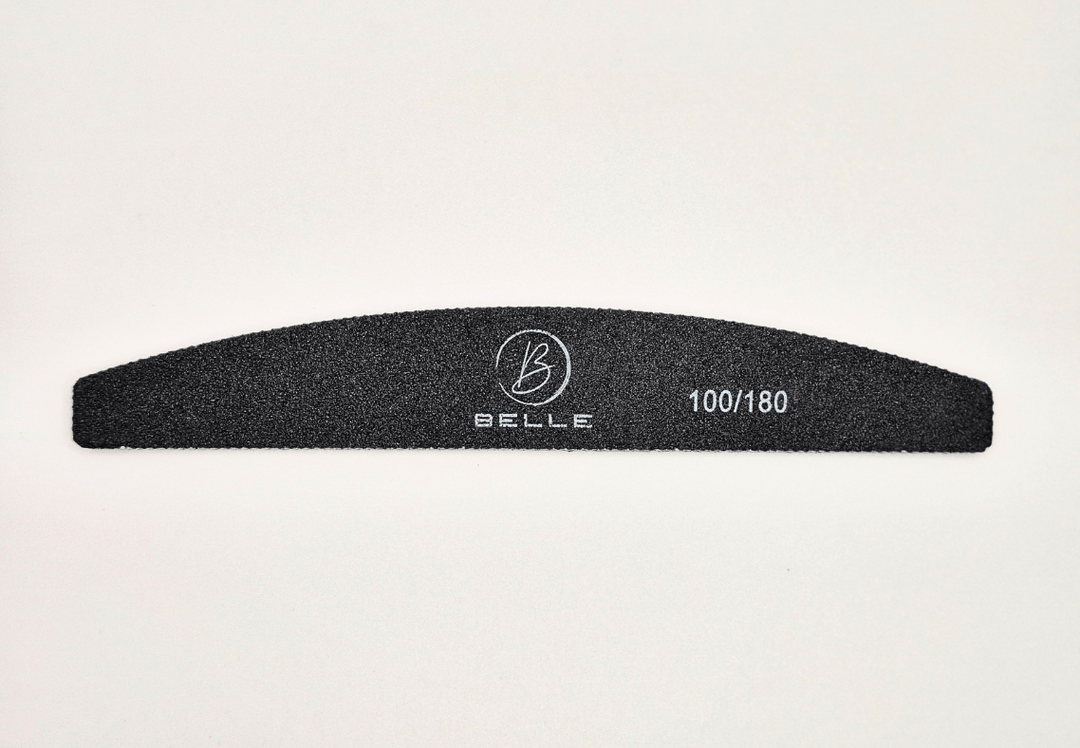
| 100/180 grit file | Shaping and refining enhancements in one tool, from reduction to a smoother finish |
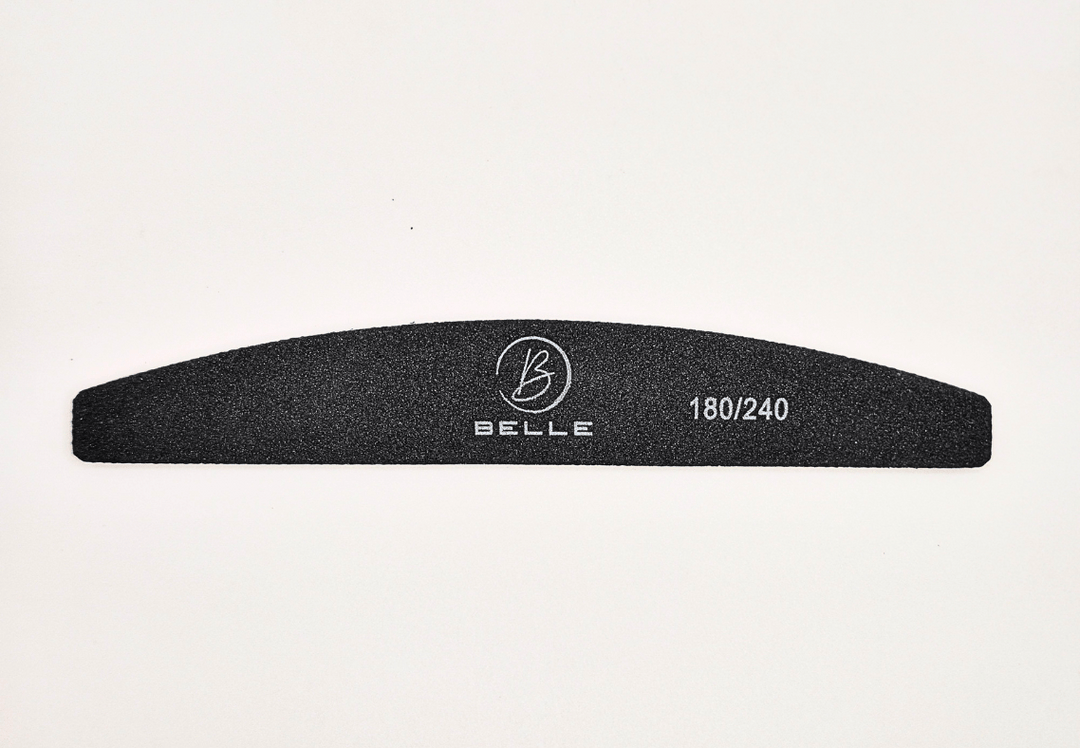
| 180/240 grit file | Shaping natural nails and gently refining gel and BIAB |
| Buffer blocks | Removing the shine before gel or BIAB, and smoothing ridges and scratch lines |
How nail file grit works
The grit number tells you how coarse a file is. The lower the number, the coarser the file and the faster it removes product. The higher the number, the finer the file and the gentler the finish.
-
100 grit: coarse. For reducing builder gel, BIAB and other product, never on bare natural nails.
-
150 to 180 grit: medium. For shaping and refining product, and shaping natural nail edges with a light touch.
- 240 grit and buffers: fine. For natural nails, smoothing edges, and lightly buffing off the shine before gel or BIAB.
Our guide to nail file grits explains each one in detail.
Manual or electric nail file?
Manual files give you the most control, especially on natural nails, and are all you need for everyday shaping and prep. An electric nail file uses interchangeable bits and adjustable speed to do the same jobs much faster, which makes it worthwhile if you do builder gel, BIAB or regular gel manicures at home, or if you're a nail tech. It does take practice: start at a low speed, keep the bit moving and never hold it in one spot. Read how to use an electric nail file and are electric nail files safe? before you start.
Tips for filing without damaging your nails
-
Let the grit do the work. Heavy pressure creates heat and scratches.
-
File natural nails in one direction, from the side towards the centre, rather than sawing back and forth, which can cause splitting.
-
Work from coarse to fine. Reduce with the lower grit, then finish with the higher grit so no scratch lines show under your top coat.
-
Use 180/240 on natural nails. Coarser grits thin and split the nail plate.
- Buff lightly before gel or BIAB. You only need to remove the shine.
What's in this collection
-
Electric nail file with adjustable speed
-
Double-sided black files in 100/150, 100/180 and 180/240 grits, in 5-packs and 10-packs
- Buffer blocks for smoothing and buffing
Every Belle Beauty gel, BIAB and builder gel kit also includes a set of files and buffers, so if you're just starting out, see our nail kits.
Frequently asked questions
What is a nail file used for?
A nail file shortens, shapes and smooths the edges of the nail. Coarser files also remove gel, BIAB and builder gel when you're shaping or taking off enhancements.
What grit nail file is best for natural nails?
180/240. It shapes gently without splitting or thinning the nail. Avoid 100 grit on natural nails.
What grit should I use for BIAB and builder gel?
Use 100/150 or the 100 side of 100/180 to reduce product, then 180 to refine. Finish with 240 or a buffer if you want a smoother surface before top coat.
Is an electric nail file better than a manual file?
Not better, just faster. An e-file speeds up prep, shaping and removal, especially with builder gel and BIAB, but manual files give more control on natural nails. Many people use both.
Can I use an electric nail file at home?
Yes, with care. Start on a low speed, keep the bit moving and practise on a practice hand or on product rather than your natural nail first.
Should I file my nails in one direction?
Yes, for natural nails. Filing in one direction, from the side towards the centre, helps prevent splitting and peeling.
What's the difference between a nail file and a buffer?
A file shapes and shortens the nail. A buffer is finer and is used on the nail surface to remove shine before gel or BIAB, or to smooth ridges.
How often should I replace my nail files?
When they stop removing product easily or feel smooth to the touch. Clean them between uses, and keep separate files for natural nails and for product if you can.
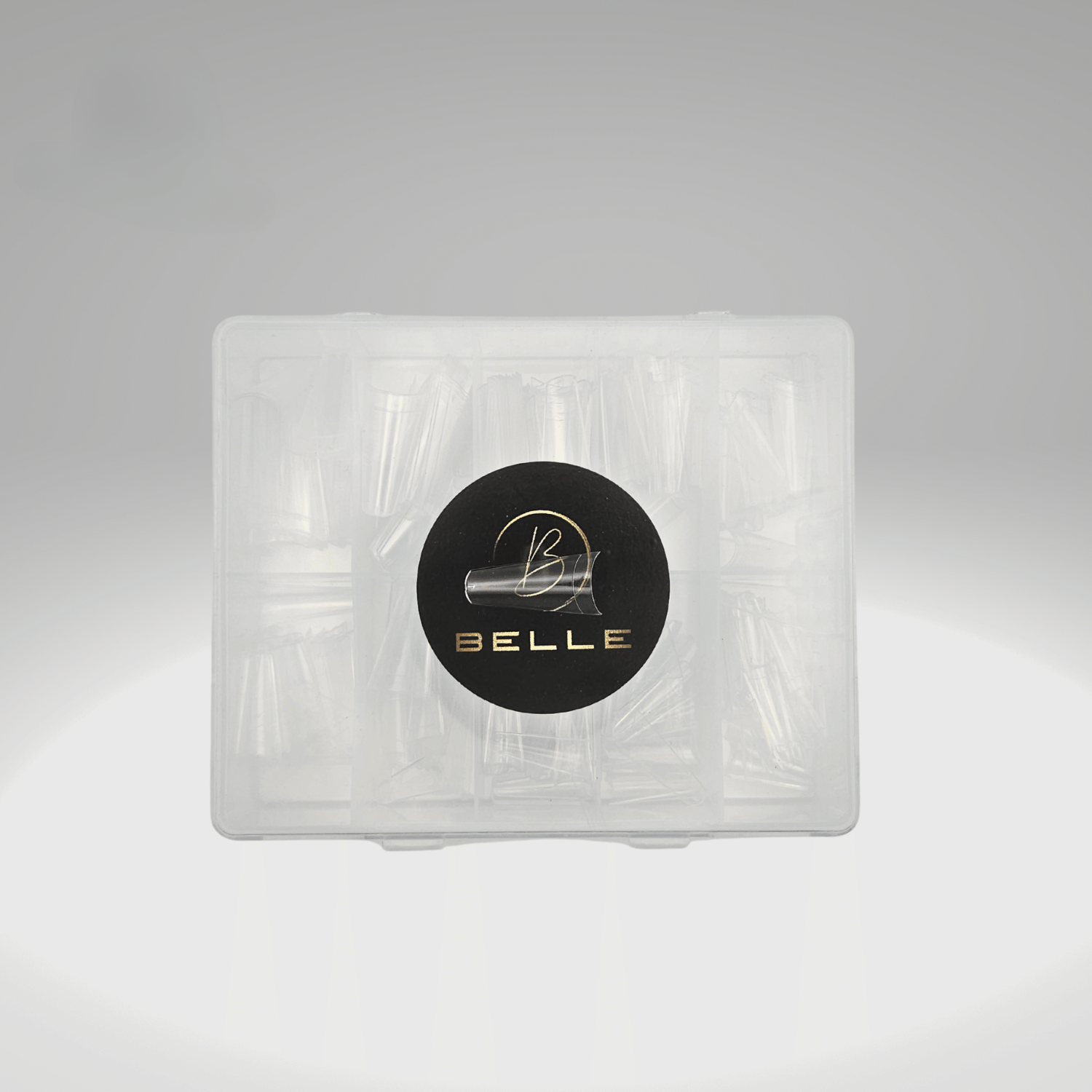
Don't forget tips
Shop Nail Tips